
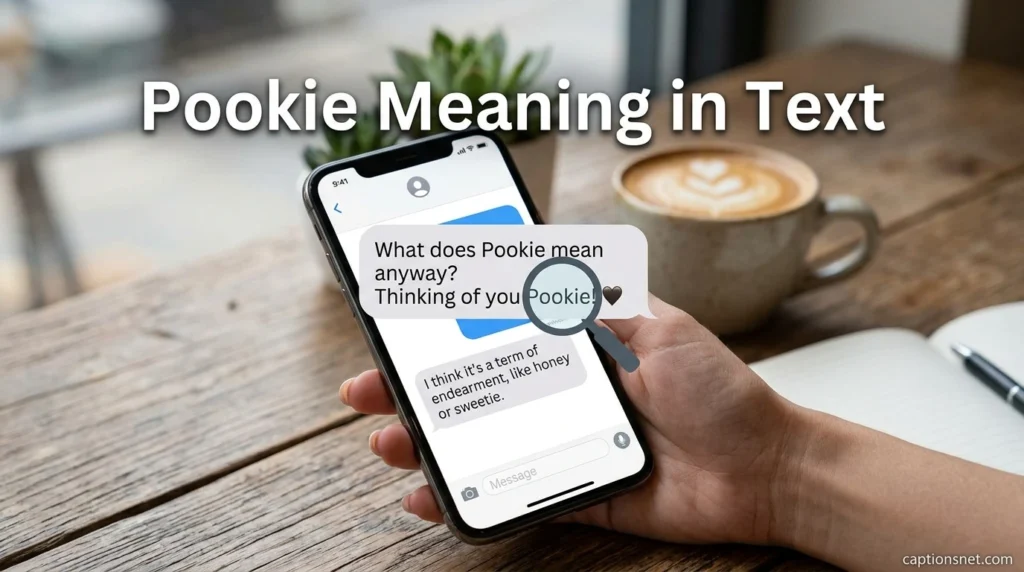
Ever opened a message and seen someone say “hey pookie 😭💕” and instantly wondered if it’s a compliment, a joke, or something you’re supposed to respond to differently? You’re not alone. Modern internet slang changes fast, and terms that go viral on TikTok, Snapchat, Instagram, and WhatsApp often leave people confused—especially when they sound cute but carry multiple emotional tones.
One of those trending expressions is the phrase pookie meaning in text, which has become widely used in Gen Z conversations, romantic chats, and even casual friendships online. This article breaks it down in simple terms so you fully understand what it means, how it’s used, and when you should or shouldn’t use it.
What Does “Pookie” Mean in Text?
At its core, “pookie” is an affectionate nickname used in online messaging and texting slang. It is not an acronym or social media abbreviation but rather a cute, emotional pet name used to express closeness.
In most cases, “pookie” means:
- A romantic partner (boyfriend or girlfriend)
- A close friend or best friend
- Someone you feel emotionally attached to
- Sometimes even a playful nickname for pets
It belongs to the category of Gen Z slang and casual texting phrases where words are intentionally softened to sound cute, funny, or affectionate.
So if someone calls you “pookie,” it usually means they’re showing warmth, comfort, or emotional familiarity.
Origin and Evolution of “Pookie” in Internet Slang
The word “pookie” didn’t originally start online. It has existed in English slang for decades as a term of endearment, similar to “baby,” “sweetheart,” or “honey.”
However, its modern revival is driven by:
- TikTok relationship trends
- Meme culture and ironic humor
- Snapchat and Instagram DM conversations
- Soft aesthetic online communities
Over time, “pookie” evolved from a simple cute nickname into a flexible internet expression that can be:
- Genuine and romantic
- Playfully sarcastic
- Even humorous or exaggerated
This flexibility is why it spreads so quickly across social media slang ecosystems.
Exact Meaning of “Pookie” in Online Messaging
To understand it clearly, here is the exact emotional meaning depending on context:
- 💕 Romantic meaning: “My love” or “my special person”
- 😄 Friendly meaning: “My close friend” or “buddy”
- 😂 Funny/ironic meaning: A joking nickname with no serious emotional intent
- 🧸 Cute/soft meaning: A comforting or adorable way to address someone
Unlike formal language, internet slang like this depends heavily on tone, emojis, and relationship context.
For example:
- “Good morning pookie 💕” → affectionate romantic tone
- “You okay pookie?” → caring friend tone
- “Pookie did it again 😭” → humorous meme tone
Different Meanings of Pookie Across Platforms
The meaning of “pookie” slightly changes depending on where it appears in online messaging platforms like Snapchat, TikTok, WhatsApp, and Instagram.
Snapchat Meaning
On Snapchat, “pookie” is often used in:
- Streak messages
- Private chats
- Flirty conversations
It usually signals romantic interest or emotional closeness, especially among younger users.
TikTok Meaning
On TikTok, “pookie” is often:
- Used in captions
- Comment sections
- Funny relationship videos
Here it is frequently exaggerated or ironic, like calling strangers “pookie” for humor.
WhatsApp Meaning
On WhatsApp, “pookie” is more personal:
- Used between couples
- Long-term friends
- Family members in playful tone
It leans more toward real emotional affection.
Instagram Chat Terms
On Instagram DMs:
- Used in romantic chats
- Often paired with emojis like ❤️🥺✨
- Sometimes used in aesthetic or “soft girl” communication style
Here, it blends both romantic and aesthetic slang culture.
Texting Examples of “Pookie” in Conversations
To fully understand internet slang, real examples are important. Here are some common texting examples:
Romantic Chat Example
A: “Did you eat yet, pookie? ❤️” B: “Not yet, waiting for you 😭”
Friendly Chat Example
A: “Pookie, you coming to class today?” B: “Yeah I’m on my way”
Funny Meme Style
A: “Pookie just dropped their phone again 💀” B: “Leave me alone 😭”
Caring Check-in
A: “How are you feeling, pookie?” B: “Better now, thanks for asking 🥺”
These examples show how tone completely changes meaning in casual texting phrases.
When You Should Use “Pookie”
Understanding timing and context is important in online messaging slang. You should use “pookie” when:
- You have a close relationship with the person
- The conversation is informal and friendly
- You want to sound cute or affectionate
- You are joking in a playful way
It works best in:
- Romantic texting
- Close friendship chats
- Light-hearted social media interactions
When used correctly, it creates emotional warmth and connection.
When You Should NOT Use “Pookie”
Even though it is popular in Gen Z slang, it’s not suitable for every situation. Avoid using it when:
- Talking to strangers or formal contacts
- Professional or work-related conversations
- Someone prefers serious communication
- Cultural or personal boundaries are unclear
Using it in the wrong context can feel:
- Too personal
- Confusing
- Unprofessional
So always consider relationship closeness before using affectionate slang.
Alternatives to “Pookie” in Texting Slang
If you want similar expressions in internet slang and chat meaning, here are some alternatives:
Romantic Alternatives
- Babe
- Baby
- Love
- Sweetheart
- Honey
Friendly Alternatives
- Bestie
- Bro
- Mate
- Buddy
- Friend
Cute Internet Slang Alternatives
- Boo
- Cutie
- Angel
- Sweetie
- Darling
These alternatives are also widely used in Snapchat slang, TikTok meaning trends, and Instagram chat terms.
Common Misunderstandings About “Pookie”
Because of its viral use, many people misunderstand this slang term. Let’s clear up the confusion:
1. It is NOT an insult
Some beginners think it might be mocking, but in most cases, it is affectionate.
2. It is NOT formal English
It belongs purely to casual texting culture, not academic or professional language.
3. It does NOT always mean romance
Context matters—it can also be friendly or humorous.
4. It is NOT an acronym
Unlike many social media acronyms, “pookie” is just a nickname, not shortened words.
5. It changes meaning by tone
Emojis, punctuation, and relationship type completely change interpretation.
Why “Pookie” Became Popular in Gen Z Slang
The rise of “pookie” is strongly connected to modern internet culture:
- TikTok romantic humor trends
- Meme-based affectionate language
- Soft aesthetic communication styles
- Influence of short-form video content
- Desire for emotional expression in texting
Gen Z communication often blends humor, irony, and affection, and “pookie” fits perfectly into that style.
It is short, cute, expressive, and flexible—making it ideal for social media acronym-style conversations even though it’s not technically an acronym.
FAQs
1. Is “pookie” romantic or friendly?
It can be both. It depends on context and relationship between users.
2. Is “pookie” used in professional chat?
No, it is strictly informal and used in casual conversations.
3. Is “pookie” a TikTok slang word?
Yes, TikTok helped make it more popular in modern internet slang.
4. Can I call my friend “pookie”?
Yes, if your friendship is close and playful.
5. Does “pookie” have a negative meaning?
No, it is generally positive and affectionate.
Conclusion
Understanding modern texting slang is important because online communication is constantly evolving. The term “pookie” is a perfect example of how language becomes more emotional, playful, and expressive in digital spaces.
It can mean love, friendship, humor, or affection depending on context, making it one of the most flexible internet abbreviations in casual messaging culture. Whether you see it on Snapchat, TikTok, Instagram, or WhatsApp, the key is always to read the tone and relationship behind it.
Now that you understand its full meaning, you won’t feel confused the next time someone calls you “pookie”—you’ll know exactly what they mean and how to respond confidently.